Most work environments mix these functions in conversation, then uncover during a drill that people were educated for various tasks. The emergency warden that understands just how to sweep a flooring for evacuees gets asked to coordinate a discharge. The fire warden that can operate a fire extinguisher ends up fielding radio calls from First Attack groups. The outcome is complication right when quality matters most.
Two national units anchor the difference in Australia: PUAFER005 and PUAFER006. PUAFER005, often called the fire warden course or emergency fire warden requirements warden course, focuses on how to operate as part of an Emergency situation Control Organisation (ECO). PUAFER006, the chief warden course, prepares leaders to route the ECO throughout an incident. Both are useful, both are commonly needed, and they are not interchangeable.
I have actually educated blended groups for many years, from high-rise industrial tenancies to aged care, manufacturing, and circulation centres. The best outcomes occur when supervisors recognize what each course covers, exactly how the expertises stack with each other, and how to structure warden training around their danger account and tenancy. What complies with is a functional guide to the distinctions, with some field-tested advice along the way.
The core purpose: drivers versus leaders
Think of PUAFER005 as the operational backbone. Wardens discover what to do, when to do it, and exactly how to do it securely as part of a collaborated group. The official title catches it simply: PUAFER005 operate as part of an emergency control organisation. Graduates understand exactly how to reply to alarm systems, interact by means of radios, move individuals, check areas, communicate with the chief warden, and total post-incident tasks.
PUAFER006 sits a level above. Its full title checks out PUAFER006 lead an emergency control organisation. The focus is risk-based decision making. A chief warden trained under PUAFER006 allocates resources, manages info crookedness, prioritises actions, and keeps command and control until the arrival of emergency situation solutions. The role looks like air traffic control rather than a ground marshal. Both are vital, but they are not the very same ability set.
In method, some websites anticipate one person to put on both hats. That is practical if the resident lots is little, the floor plate is straightforward, and the case profile is limited. When you add numerous floorings, combined tenants, vulnerable occupants, or dangerous processes, you require literal splitting up of features: a chief warden to lead, floor wardens to execute, and communications wardens to keep the image clear.
What the PUAFER005 course truly teaches
A great PUAFER005 course runs beyond a classroom slide deck. Trainees must practice radio self-control, usage floor plans, and practice sweeps and setting up processes. The best programs simulate sound, small unpredictability, and common rubbing factors, because those are the important things that thwart a well-written plan.
Key ability end results from PUAFER005 training include:
- Recognise and reply to alarm systems and emergency situation cautions, including presented evacuations and code messaging that your website adopts. Conduct location checks and moves, close doors, isolate dangers if safe, and overview occupants to the best assembly location. Use mobile fire tools only where appropriate, and only for incipient-stage fires. Communicate plainly with the ECO, log monitorings, and escalate exemptions fast.
That last point matters. The most usual failing throughout an evacuation is not a mechanical fault or a stuck exit, it is the loss of clear and succinct details. An experienced fire warden understands what to report: status of their zone, any persons refusing to leave, flexibility impairments calling for support, and any kind of dangers ran into. Short, exact, and consistent.

The finest PUAFER005 courses additionally clear up sensible expectations around fire warden tasks. Fire wardens are not firefighters. Their top priority is life security and orderly activity, not subduing a fire. They are additionally not safety and security, not cleaners, and not first-aid -responders unless they lug those tasks individually with ideal training.
What the PUAFER006 course adds
PUAFER006 thinks wardens exist and can do their tasks. It teaches a chief warden how to make those work straighten into a coherent response. Excellent chief warden training weaves technological web content with scenario coaching, since management under uncertainty is a practiced skill.
Expect a PUAFER006 course to cover:
- Command framework and period of control, including just how to delegate to flooring wardens, communications wardens, and very first aid. Incident evaluation, triage of details, and choice cycles in the first minute, the very first 3 minutes, and the very first ten minutes. Managing partial versus full evacuation, relocation within a structure, and shelter-in-place choices when smoke, climate, or outside hazards complicate movement. Liaison with emergency solutions, consisting of just how to present constructing information, owner standing, and system readouts. Post-incident evaluation, corrective activities, and just how to adjust your emergency plan based on real performance, not documentation ideals.
Chief warden emergency warden certifications training ought to recognize the human variables that collide during emergency situations: cognitive overload, loss of regular interaction courses, and the lure to micromanage. An experienced chief warden resists that impulse. Instead, they established intent, designate jobs, and trust wardens to implement, while maintaining their attention on the whole picture.
Terminology and the "fire warden" label
Many organisations utilize fire warden as a catch-all for wardens. It is common and not inherently wrong, however it can create complication. Emergency warden is typically the more precise term, since wardens manage more than fire: clinical cases, gas leaks, power failings, aggressive persons, bomb dangers, and outside hazards such as bushfire smoke or severe storms.
If your website utilizes fire warden for PUAFER005-trained wardens, and chief fire warden for PUAFER006-trained leaders, make sure the duties straighten with the names. Titles ought to map to training and authority, otherwise the radio net become guesswork at the most awful moment.
Colours, hats, and quickly identification
In a congested emptying, fast visual recognition defeats syllables. Several offices utilize safety helmets, caps, vests, or hard hat sticker labels to differentiate duties. Practices differ, however a typical plan lines up with AS 3745 conventions taken on across several facilities:
- Chief warden hat colour: white headgear or white cap. Some websites add an unique white vest with reflective red stripes to assist recognition. Fire warden hat colour: red headgear or red cap for general wardens. Communications or replacement functions might use yellow or orange depending upon website policy. What colour helmet does a chief warden use? If your site follows the common pattern, white for chief warden, red for floor wardens.
Whatever your colours, uniformity issues more than the scheme. Make certain the ECO understands the system, stores the hats or vests at predictable factors, and substitutes quickly if one goes missing. Do not hide them in a locked cupboard that needs an essential nobody can locate under stress.
Mandatory needs versus best practice
Fire warden needs in the work environment rely on your territory, building course, owner account, and the emergency strategy mapped to AS 3745. Generally of thumb, each defined location requires a warden, and larger or complicated locations require replacements to cover leave and changes. Special risks, such as research laboratories, hazardous chemicals, or high shelfs in warehouses, warrant additional wardens with local familiarity.
Fire warden training needs often tend to choose a two-year formal refresher cycle, with site drills at the very least every year, and more often for higher-risk websites. In technique, I motivate a light quarterly activity, even if it is only a 15-minute radio check and a walk-through of leaves with brand-new starters. Short, constant touchpoints keep abilities active far better than a solitary lengthy session every 2 years.
Chief warden requirements are stricter where the passenger tons is high, or the structure has numerous floorings. A chief warden must not be finding out the site during an occasion. They should recognize where the fire sign panel is, just how the EWIS behaves throughout areas, what doors are fail-safe versus fail-secure, and exactly how to read the simulate panel so they can guide wardens without leaving the control point.
The form of effective warden training
The quality of any kind of warden course shows throughout drills. People either move easily with function, or they hung around alongside the lift while wardens yelled. The content of PUAFER005 and PUAFER006 is nationally standardised, but the shipment, sequencing, and site combination vary.
A strong training strategy has a tendency to follow this circulation:
- Induction: short every person on alarms, leaves, setting up locations, and exactly how to report dangers. Keep it brief and visual. PUAFER005 training course for wardens: site-specific focus layered in addition to the unit. Use your floor plans, your alarm system tones, your setting up areas. PUAFER006 training course for chosen leaders: again, site-specific management exercise with your radio treatments, your paths of traveling, and your event profiles. Drills: begin introduced to debug logistics. Move to unannounced drills once the fundamentals hold. Add a scenario variable when people obtain comfortable, such as a blocked exit or a movement assist. Review: accumulate valid timings and notes. Fix the rubbing factors. Repeat.
On paper, this looks straightforward. In technique, modifications in occupancy, improvements, and personnel turnover erode preparedness. Arrange training as part of your functional calendar, not as a reactive tick-box after an audit.
What a warden really does on the day
Here's a reasonable snapshot. A flooring warden hears the sharp tone. They don a red cap, order their radio, and await the chief warden's instruction. The chief, now at the fire indication panel, checks out the area, checks for several alarm systems, and validates with a quick radio web that wardens remain in position. The evac tone appears after a brief investigation home window. The floor warden starts a move, closes doors to limit smoke, directs people far from lifts, and notes 2 mobility-impaired individuals at the haven. They report: Level 8 south wing clear, 2 at stair 2 sanctuary, one obstructed door at meeting room M3. The chief warden logs it, jobs a close-by deputy to aid the mobility evac with an evacuation chair, and communicates the blocked door to upkeep to look for a failed striker. When fire solutions get here, the chief warden hands over a concise short: alarm system zone, recognized residents not yet made up, systems status, and any hazards.
None of this is dramatic. It is purposeful, monotonous, and reliable. That is the criterion you want.
Extinguishers and the incipient fire dilemma
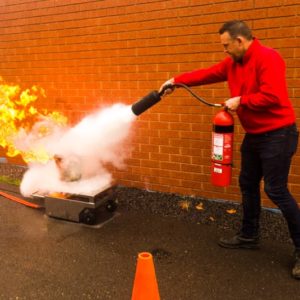
Wardens typically ask whether they need to attempt to extinguish a little fire. PUAFER005 covers initial assault firefighting, yet the subtlety matters. Use a portable extinguisher just if the fire is small, you have a clear retreat course behind you, the right extinguisher kind gets on hand, and it is risk-free to do so. If there is question, evacuate and shut the door.
In method, kitchen area flare-ups and tiny electric fires are the only common prospects for very first strike. A trained warden will certainly pull the pin and make use of short ruptureds at the base of the fire. They will certainly also understand when to stop. Bravo to the warden who produces a toaster oven fire without smoke spread. Equal regard to the warden that selects to leave when the danger is unclear.
Building kinds and how they move the training need
Not all workplaces are produced equal. A little specialist workplace with thirty personnel can run with a chief warden and 2 flooring wardens, cross-trained as replacements. A health center wing requires layered duties, limited radio self-control, and sychronisation with medical groups who regulate individual activity. A stockroom needs attention to lengthy traveling ranges, transforming racking setups, and seasonal staffing. A school takes care of obligation of care and controlled roll calls.
Where the website includes vulnerable passengers, such as aged care or early discovering, emergency warden training should include functional web content on straight emptying, refuge usage, and presented moving. Where the site holds dangerous products, your warden course need to include shut-off factors, signs, and the details reaction setups with emergency situation services.
Cookie-cutter training falls down here. Ask service providers to customize the PUAFER005 and PUAFER006 courses to your plan and structure class, not the various other method around.
Documentation that in fact assists in an emergency
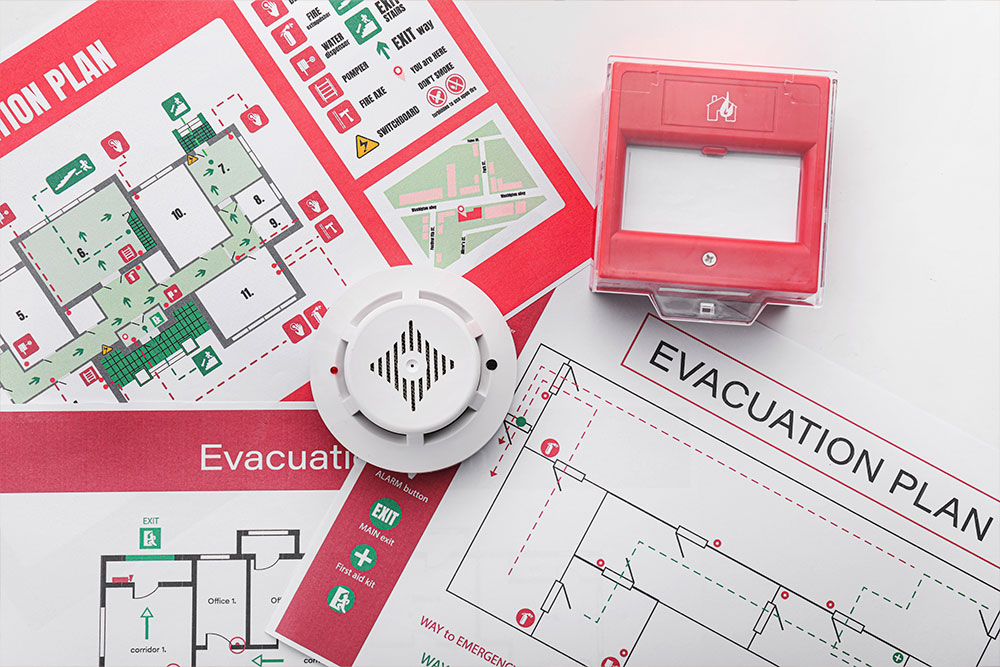
Many emergency situation intends read well and stop working fast. The useful strategy is crisp, specific to your website, and created to be used, not shelved. Wardens need floor plans with highlighted departures, refuge factors, and extinguisher locations. Chiefs require a one-page occurrence checklist that mirrors their PUAFER006 mental model: preliminary analysis, tasking, communication tempo, and handover prompts. Everyone requires a tidy contact tree that works for after-hours.
One production client cut their strategy files to 2 pages on the wall next to the panel, one laminated map per warden, and a brief action card under each radio charger. Drill performance improved within a month. People do what they see regularly and what is simple to retrieve under pressure.
The concern of regularity: exactly how commonly to train
Competence decays. That is typical. Most organisations revitalize PUAFER005 and PUAFER006 every 2 years as a baseline. High-turnover websites or locations with seasonal casuals benefit from rolling micro sessions. A five-minute alarm recognition refresher in toolbox talks each quarter does more for real readiness than an impressive four-hour seminar that no one remembers.
When budgets are tight, prioritise chief warden training initially, then the wardens for high-occupancy or risky areas, after that the remainder. Leaders set the tone and the pace. A positive chief warden increases the efficiency of the whole ECO.
Addressing usual misconceptions
Several myths turn up in almost every training room.
First: "The fire brigade will tell us what to do." They will, as soon as they arrive. Your ECO owns the issue for those very first minutes, which are typically crucial. PUAFER006 exists specifically because leadership is needed prior to alarms appear.
Second: "We only need a fire warden due to the fact that we do not have lots of events." Low occurrence regularity does not equivalent reduced threat. Emptyings also take place for non-fire occasions, with extra difficult decisions. Emergency warden training plans for those, not just flames.
Third: "Hats and vests are excessive." They are not. In a group, clear identification conserves mins and reduces rubbing. A chief warden hat or vest is a straightforward, reliable means to cut through sound. The chief fire warden hat colour convention, normally white, is not simply custom. It works.
Fourth: "The plan covers it." Plans are inert without practice. Drills surface missing out on secrets, obstructed leaves, quiet radios, and wrong contact number. Each time a group drills, the strategy gets better.
Choosing the appropriate course mix for your site
Start from your structure, passengers, and risks. A multi-tenant workplace tower with 500 individuals on a flooring requires even more deepness than a retail shopfront. A food processing plant with ammonia refrigeration has various triggers and sanctuary decisions than a technology workplace with a server room.
An easy regulation holds: match PUAFER005 enrolments to your warden structure throughout shifts, and guarantee at the very least two PUAFER006-trained principals per shift pattern, so someone is always on website. If your site runs overnight, bake chief warden training into the night shift's role summaries. Do not count on day personnel to lead a 2 a.m. reaction from home.
Finally, integrate warden training with your other competencies. First aiders, safety, and structure management are not separate tribes. They are parts of the exact same response. When you run drills, get them in the space and on the radio. They ought to understand the chief warden by name and placement, not by guesswork.
Quick comparison at a glance
- PUAFER005 course: emergency warden and fire warden training concentrated on operating as part of the ECO. Emphasis on activity at the flooring degree, interaction, and risk-free discharge. Appropriate for floor wardens, area wardens, replacements, and interactions wardens. PUAFER006 training course: chief warden training concentrated on leading the ECO. Emphasis on decision production, tasking, communications technique, and firm liaison. Suitable for chief fire warden, deputy principal, and control room operators.
A note on hats, badges, and radios
People inquire about the "best" devices kit for wardens more than any other useful detail. Keep it straightforward and standard. For larger sites, a warden kit could consist of a cap or safety helmet in the website colour, a small torch, a radio with a spare battery, a laminated area strategy, and a short activity card. Chiefs ought to have the exact same, plus a clipboard or tablet for logs, a vest, and a passkey if your policy allows. Examination radios regular monthly. Batteries stop working silently, then loudly when you require them.
As for the chief warden hat, white continues to be the most common selection, with red for basic wardens. If your market uses various other colours for security duties, such as environment-friendly for first aid, keep that regular to avoid cross-role confusion.
What great resemble on the day after
The worth of warden training shows up not just throughout the occurrence however also in the debrief. PUAFER006 prepares chiefs to run that testimonial without blame, focusing on truths and fixes. A crisp debrief notes time to initial guideline, time to first sweep conclusion, interactions spaces, tools faults, and any passenger concerns such as mobility aid. Then it designates restorative actions with proprietors and dates.
Teams that take this seriously boost swiftly. You see it in radio brevity, in less repeated instructions, in the method individuals align on the risk-free side of the assembly factor without blocking emergency gain access to. It is not attractive. It is professional.
Bringing all of it together
Emergency preparedness is not an abstract conformity workout. It is a sensible craft. PUAFER005 and PUAFER006 are tools in that craft, distinct and complementary. PUAFER005 transforms eager personnel into qualified emergency wardens who can perform the strategy under pressure. PUAFER006 forms leaders that can establish intent, coordinate sources, and adapt when the strategy satisfies reality.
If you are establishing or rejuvenating your program, map the roles first, choose individuals, and timetable the programs with site-specific focus. Clarify your fire warden requirements in the workplace, select a clear palette for hats or vests, and make certain everyone recognizes what colour helmet a chief warden uses at your website. After that pierce to the criterion you expect. Change based upon proof, not assumptions.
When the alarm system goes off, you want less dramatization and more choreography. Clear voices. Brief reports. Determined decisions. Wardens that recognize their area. A principal who recognizes the whole room. That is the difference between being fortunate and being prepared. And that is the difference between a fire warden course and an emergency warden course theoretically, and a team that in fact works when it counts.
Take your leadership in workplace safety to the next level with the nationally recognised PUAFER006 Chief Warden Training. Designed for Chief and Deputy Fire Wardens, this face-to-face 3-hour course teaches critical skills: coordinating evacuations, leading a warden team, making decisions under pressure, and liaising with emergency services. Course cost is generally AUD $130 per person for public sessions. Held in multiple locations including Brisbane CBD (Queen Street), North Hobart, Adelaide, and more across Queensland such as Gold Coast, Sunshine Coast, Toowoomba, Cairns, Ipswich, Logan, Chermside, etc.
If you’ve been appointed as a Chief or Deputy Fire Warden at your workplace, the PUAFER006 – Chief Warden Training is designed to give you the confidence and skills to take charge when it matters most. This nationally accredited course goes beyond the basics of emergency response, teaching you how to coordinate evacuations, lead and direct your warden team, make quick decisions under pressure, and effectively communicate with emergency services. Delivered face-to-face in just 3 hours, the training is practical, engaging, and focused on real-world workplace scenarios. You’ll walk away knowing exactly what to do when an emergency unfolds—and you’ll receive your certificate the same day you complete the course. With training available across Australia—including Brisbane CBD (Queen Street), North Hobart, Adelaide, Gold Coast, Sunshine Coast, Toowoomba, Cairns, Ipswich, Logan, Chermside and more—it’s easy to find a location near you. At just $130 per person, this course is an affordable way to make sure your workplace is compliant with safety requirements while also giving you peace of mind that you can step up and lead when it counts.